


Why the Wye Keeps Turning Green: Phosphorus, Algal Blooms and What the Science Says

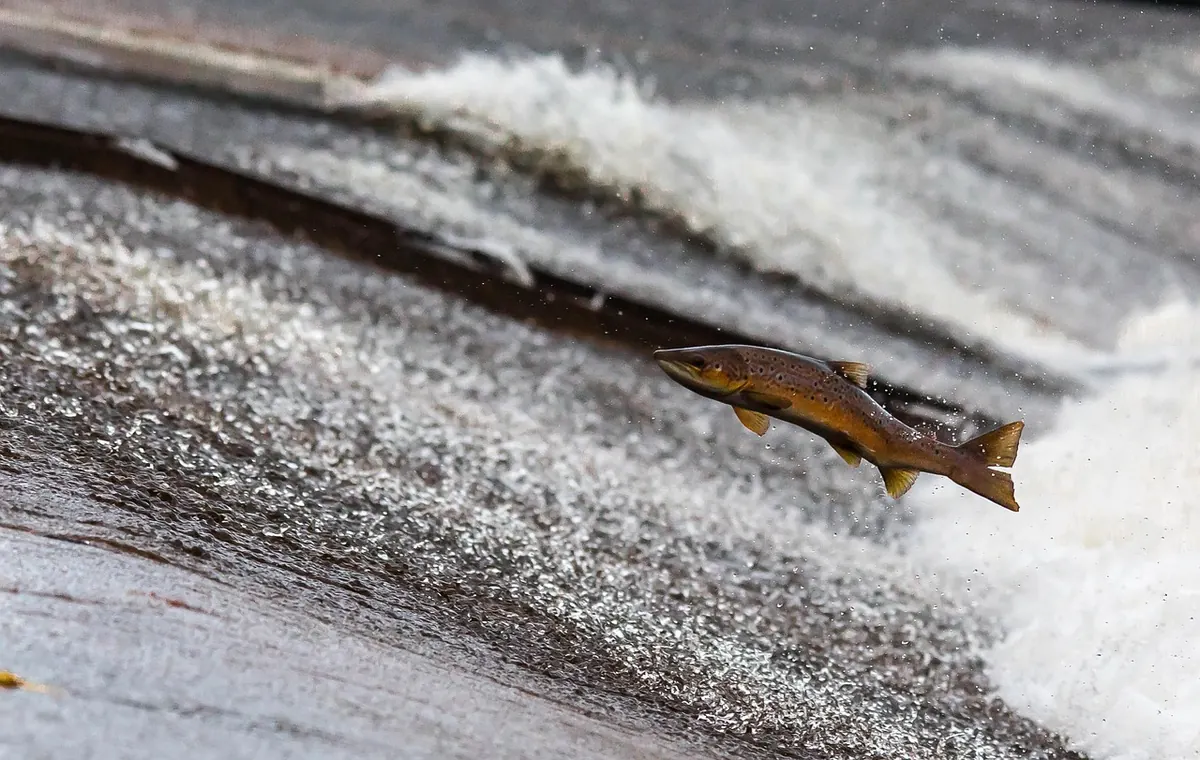
The River Wye is not supposed to look green. Its best stretches are clear enough to see gravel, water crowfoot and the flicker of a brown trout. When the water turns cloudy or rocks disappear under thick mats of algae, that colour is a message. The river is telling you it has too much phosphorus, the nutrient that most often limits plant growth in fresh water. The difficult part is not identifying the symptom. It is understanding where the phosphorus comes from, why some summers are worse than others, and which remedies actually make a difference.
Phosphorus: the nutrient that tips the balance
Phosphorus is essential. In most rivers, it is scarce enough to keep algae in check. Add a little more, and the whole system shifts. In the Wye catchment, that extra phosphorus arrives in two broad forms. Soluble phosphate is dissolved in water, ready for algae to use. Particulate phosphorus is attached to soil, manure or organic matter, and can settle into the riverbed, then release later. Both matter.
Sources are mixed. Agriculture is the largest contributor across the catchment as a whole: manure and slurry from livestock and poultry, fertiliser, dirty water from yards and tracks, and soil washed off fields. Sewage treatment works and private septic tanks add continuous loads, especially where populations or tourism are concentrated. Urban runoff, misconnected drains and poorly maintained septic systems can add more. The Wye also carries a legacy: decades of phosphorus have built up in soils and river sediments. That store can keep feeding blooms even after new inputs are cut.
How an algal bloom forms
Algae need three things: nutrients, light and time. In the Wye, the trigger is usually a combination of high phosphorus, warm weather, strong sunlight and low, slow flows. Under those conditions, attached algae such as Cladophora grow as long green streamers on rocks. Free-floating algae can turn the water itself cloudy. Cyanobacteria, sometimes called blue-green algae, may also appear in slower reaches and backwaters. Not every green slick is toxic, but some blooms can be harmful to people, pets and livestock.
Once algae die, bacteria break them down. That process uses oxygen, often just when the river is already stressed by low flows and high temperatures. Oxygen levels can crash at night, then swing high during the day as algae photosynthesise. Fish, insects and freshwater plants pay the price. Ranunculus beds, the submerged water crowfoot that gives the Wye much of its character, can be shaded out or smothered by silt and algae. The result is a river that looks green and behaves like a poorer river: fewer invertebrates, less spawning habitat, more pressure on salmon and trout.
The low-flow multiplier
Nutrient pollution is not the only cause. Low flows concentrate whatever phosphorus is already in the river. Drought, abstraction, drainage and silt can all reduce the river's ability to dilute and flush. Shade loss along banks raises water temperature. In some reaches, old weirs and modified channels slow the flow and trap sediment. Fixing phosphorus without addressing flow, shade and sediment is like mopping a floor while the tap is still running.
What the science says about sources
Scientists and regulators use monitoring, nutrient budgets and source apportionment to work out where phosphorus is coming from. The broad conclusion in the Wye is consistent: agriculture is the biggest source overall, with sewage and septic tanks making important contributions, particularly in low-flow conditions when treated effluent is a larger share of the river's flow. Poultry litter and livestock manures are especially concentrated sources because they are rich in phosphorus and often spread on land within the catchment. Soil testing frequently shows fields with more phosphorus than crops need. When rain follows spreading, or when soil is compacted and bare, that surplus can move quickly into ditches and streams.
That does not make farmers villains. Many are working within tight margins and complex supply chains. It does mean that reducing phosphorus requires changes at the scale of the farm, not just the field. It also means that a single fix will not be enough. The catchment has too many sources, too many pathways and too much stored phosphorus for one solution to solve.
Fixes being trialled and rolled out
Across the Wye, a mix of farm, sewage and river-restoration measures is being tested. None is a magic bullet, but together they can reduce loads and buy the river time.
- Farm nutrient planning: soil tests, manure accounts and fertiliser plans that match applications to crop needs. Avoiding winter spreading and keeping records make a practical difference.
- Manure export and processing: moving poultry litter and surplus manure out of the catchment, or sending it to anaerobic digestion or composting, reduces the amount of phosphorus returned to local land.
- Land cover and buffers: cover crops, grass buffer strips, riparian fencing and tree planting slow runoff, trap sediment and keep livestock out of ditches and banks.
- Wetlands and silt traps: constructed wetlands, settlement ponds and in-ditch features can capture particulate phosphorus and other nutrients, though they need maintenance and the right siting.
- Sewage improvements: phosphate stripping at treatment works, better storm overflow management, and maintenance of private septic tanks reduce point-source loads.
- Monitoring and citizen science: continuous sensors, lab samples and volunteer records help identify hot spots and track whether money is being spent well.
- River restoration: reconnecting floodplains, adding shade, reducing silt and restoring gravel beds improve the river's resilience to the nutrients that remain.
What success looks like
Success is not just a lower phosphorus number at a monitoring station. It is clearer water in July, less algal cover on rocks, higher night-time oxygen, healthier invertebrate communities and more juvenile salmon and trout. Because phosphorus is stored in soils and sediments, improvements can lag behind actions by years. That makes long-term monitoring essential, not optional.
What you can do
If you live, work or spend time on the Wye, you are part of the catchment. A few practical steps help:
- Report pollution. If you see a fish kill, a sewage smell, a strange discharge or a thick algal bloom, note the location, time and photographs, and contact the Environment Agency in England or Natural Resources Wales. Do not enter the water or let dogs swim in a dense bloom.
- Watch your own nutrients. Use phosphate-free detergents where possible, keep septic tanks properly maintained, avoid over-fertilising gardens and do not feed waterfowl. Dog waste, food waste and garden runoff all add nutrients.
- Support farms that are trying. Ask where your food comes from, back catchment projects and encourage supply chains to pay for nutrient reductions, not just volume.
- Join the data. Volunteer monitoring, riverfly sampling and algal bloom recording give decision-makers evidence they cannot ignore.
- Think about flow and shade. Trees, wetlands and rain gardens on your land or in your community slow runoff, cool water and trap sediment.
The Wye will not turn clear overnight. But the green summers are not a mystery. They are a measurable response to too much phosphorus, too little flow and too little time to recover. The fixes exist. The test is whether they are funded, maintained and scaled fast enough to give the river a chance.
Photo: Hugo_ob / Pixabay