Common Mistakes New River Volunteers Make — and How to Avoid Them
The first time you pull on waders for a river work party, everything feels urgent. There is litter in the shallows, a fallen branch across the channel, and a survey form that needs finishing before the light goes. Most new volunteers arrive wanting to help, and most of them do. But a handful of well-meaning mistakes cause real damage, to spawning fish, to habitat that took years to form, and to the data that decides where restoration money gets spent. None of them come from carelessness. They come from not yet knowing how a river prefers to be helped.
Gravel redds: the ground you should not walk on
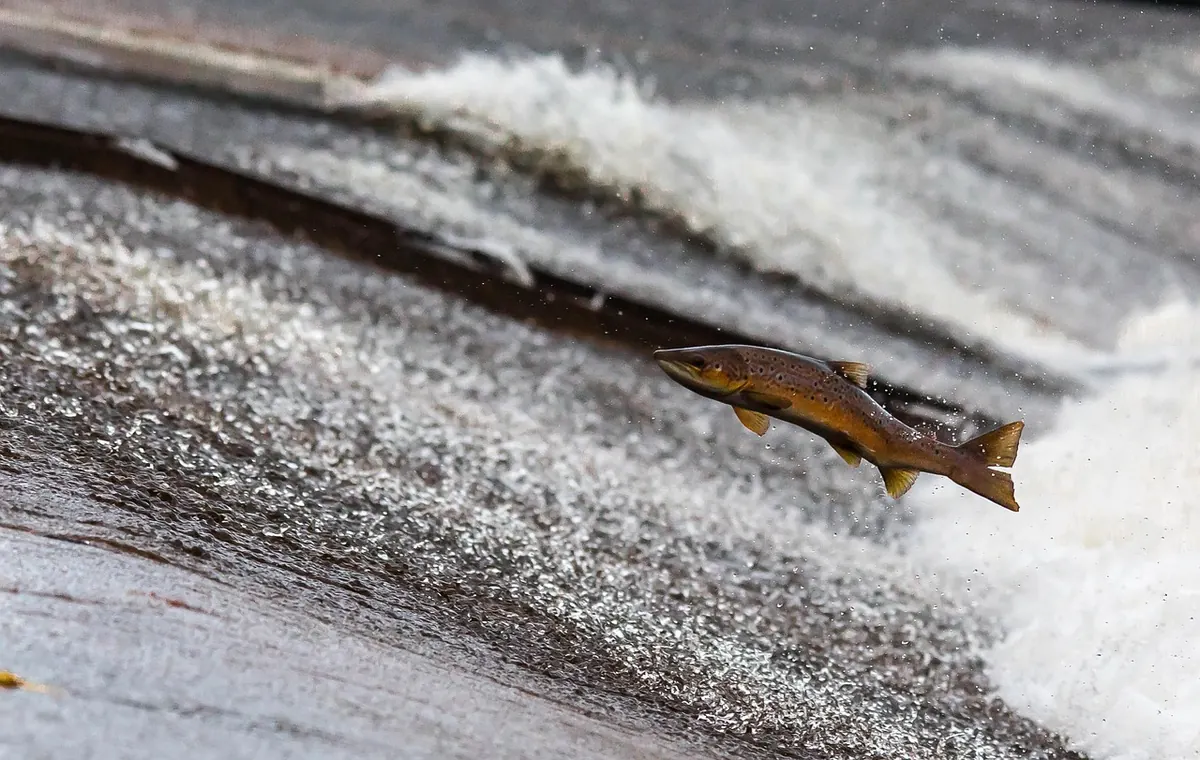
A redd is a nest. In late autumn and winter, female salmon, trout and grayling turn over riverbed stones with their tails, cut a hollow, deposit eggs, and cover them again. Those eggs sit in the gaps between stones for weeks, drawing oxygen from water that moves through the gravel. A boot sole compacts that gravel and squeezes the gaps shut. Eggs are crushed or suffocated, and one careless crossing can undo work a fish did in a single night.
The signs are easy to learn. Look for a patch of unusually bright, clean gravel, often with a shallow pit and a mound of displaced stones just downstream. Sometimes you will see a pair of fish holding over it. If you are not sure, assume it is a redd and stay off it.
What to do instead:
- Ask your river trust, fishery contact or landowner for the spawning map before you plan a task, and mark those areas on the work plan.
- Route footpaths, planting and litter picks along the bank rather than through the shallows.
- If you genuinely must cross, choose one fixed crossing point well downstream of any redd and use the same line every time.
- Time the work. Late spring and summer fall outside the main spawning window on many rivers, but dates vary with species, altitude and catchment, so confirm them locally.
- Keep dogs and children out of the shallow gravel, and never wade onto a redd for a better photograph.
The wood that looks like mess is doing a job
Woody debris is one of the cheapest habitat features a river has. A fallen trunk or a jam of branches slows the current, traps leaves and fine sediment, scours a pool on one side and builds a riffle on the other, and gives juvenile fish somewhere to hide when the heron comes past. It feeds the invertebrate life that everything else depends on, and it gives dippers a place to perch. A tidy, wood-free channel is usually a poor one.
New volunteers often want to clear it. Resist that instinct. Large wood should generally be left where it falls, even when it looks untidy from the footpath. Removal is justified mainly where wood is blocking a bridge, culvert or gauging structure, or where it is actively eroding a bank with a road, building or sewage pipe behind it.
When it does need moving
That decision is not usually yours to make on the day. On most rivers you need the agreement of the landowner and the relevant authority before anything is cut or dragged, and some stretches carry designations that add further conditions. If removal is agreed, the better move is usually to reposition rather than delete: anchor the piece back into the channel, or pin it to the bank where flow can work around it. Take cut brash to the top of the bank and leave it in a heap for insects and birds instead of carting it away.
Survey data: record what you saw, not what you expected
Survey work is where enthusiasm quietly causes the most trouble, because bad data outlives the day. It gets pooled, mapped and used to argue for or against funding. A blank space where you saw nothing reads very differently from a deliberate zero.
The common slips:
- Estimating when the method says count, or writing "about 40" when you could have said "37".
- Filling forms from memory at the end of the afternoon instead of streamside.
- Leaving blanks for species you did not see, rather than recording a clear zero.
- Improving the method halfway through because it feels more thorough.
- Forgetting the conditions: time, flow, recent rain, water clarity, who surveyed, and exactly where.
- Guessing an identification to avoid looking unsure.
None of this needs to be difficult. Use pencil on site, record a zero as happily as you record a sighting, photograph anything you cannot identify and note "unidentified, photo attached" rather than picking a name. Note the grid reference or a landmark, not just "the bend past the bridge". If two of you disagree about a count, record both and flag it, so the organiser can decide instead of being told a tidy fiction. A good test: your notes should let a stranger repeat the survey tomorrow and get a comparable result.
Check, clean, dry
Wet boots, nets and waders move invasive species between rivers, in mud, plant fragments, and even in a few drops of trapped water. Signal crayfish, killer shrimp, zebra mussels and Himalayan balsam seeds all travel this way, and a single contaminated visit can seed a new catchment.
It takes minutes. Before you leave the site, remove all visible mud, plant matter and animals from kit. Rinse with clean water, ideally at a designated wash station rather than in the river itself. Then dry everything thoroughly, following the check, clean, dry guidance used in your area, which sets out drying times by material and season. Felt-soled wading boots are notoriously hard to clean properly, and many trusts now ask volunteers not to wear them. And never carry water, gravel, plants or fish from one river to another, not even in a bucket.
Ask first, and look after yourself
Most riverbank is privately owned, and a gate on a public footpath does not mean the bank is open to a work party. Get permission from the landowner and check whether the site is protected or needs consent before you start. Ask, too, about anything you do not understand on site. Organisers would far rather answer a question than find out later that a bank was trampled in the wrong place.
On safety, the basics matter more than bravado. Weirs and fast water are genuinely dangerous, cold water shocks the body fast, and litter hides glass and needles. Never wade alone, tell someone where you are going, wear a buoyancy aid on deep or fast sections, and carry a throw line only if you have been trained to use it. Afterwards, wash your hands, cover cuts with waterproof plasters, and if you develop flu-like symptoms in the weeks after working in a river, mention the river work to a doctor. Local health guidance on leptospirosis varies, so check current advice rather than relying on what a friend remembers.
A short checklist for your first season
- Ask for the spawning map and the closed season dates before your first task.
- Leave large wood in place unless someone with authority has agreed otherwise.
- Write survey notes on site, including the zeros and the conditions.
- Clean and dry your kit before it goes anywhere near another river.
- Confirm landowner permission and go out with a buddy.
Volunteering on a river is one of the more satisfying things you can do with a Saturday. The trick is to slow down for the first few sessions, ask the questions nobody minds answering, and remember that the best interventions are often the ones you decide not to make.
Photo: neelam279 / Pixabay